
When children leave home, the quiet that follows can feel louder than any of the noise ever did. Empty nest syndrome isn't a sign that something is wrong with you. It's what happens when a role that filled your days, your thoughts and your heart for years suddenly changes shape, and you're left standing in the middle of it, proud and sad at the same time.
There's no right way to feel about it. Some people cry for weeks. Some feel a rush of freedom and then feel guilty about that. Most feel a messy mix that changes from one day to the next.
This guide is a gentle companion for empty nest syndrome. You'll find what it really is (and isn't), the feelings that commonly show up, 8 gentle ways forward, a table that helps you turn old roles into new sources of meaning, and signs it might be time to talk to someone. Take it slowly. You've got time now, and that's allowed to feel good.
What Empty Nest Syndrome Really Is

Empty nest syndrome is not a medical diagnosis. It's a common name for the mix of grief, pride, relief, worry and loss of daily purpose that many parents feel when their children move out, whether it's for college, work, a partner or simply their own place.
It makes sense that it hits hard. For years, your days were organized around someone else's needs: school runs, meals, homework, rides, late-night talks, the sound of a door at midnight. Even when your kids were teenagers who barely spoke at breakfast, they were there. Now the rhythm that shaped your life is gone, and the brain needs time to adjust to a change that big.
It's also worth saying that it isn't only for stay-at-home parents. People with demanding careers, single parents, step-parents and grandparents who helped raise children can all feel it deeply. If you loved and looked after someone daily, their leaving matters.
Like any big life transition, it can shake your sense of who you are. My guide on how to cope with change has gentle grounding ideas that work well alongside this one.
Common Feelings When Kids Leave Home

These are some of the feelings people describe most often. You might recognize one, or all of them, sometimes in the same afternoon:
- The quiet house. No music through the wall, no shoes by the door, fewer dishes. The silence can feel heavy, especially in the evenings and on weekends.
- Lost purpose. "What am I for now?" is a surprisingly common thought. When your main job for years was caring for someone, its absence can leave a real gap.
- Worry. Are they eating? Sleeping? Safe? Lonely? Not knowing the small details of their days can make the imagination run wild.
- Relationship shifts. Partners can suddenly find themselves alone together after years of talking mostly about the kids. Single parents may feel the loneliness even more sharply.
- Sadness in waves. A song, an empty seat at dinner, their favorite cereal in the store. Grief often arrives in unexpected moments rather than all at once.
- Pride. Watching them build their own life is proof that you did something right, even if it doesn't feel very celebratory yet.
All of these are normal. None of them need fixing right away. They mostly need room.
Yes, Relief Is Allowed Too

Here's the feeling people whisper about: relief. A cleaner kitchen. No waiting up. Your evenings back. Choosing what's for dinner without negotiating. Many parents feel a lift of freedom, and then a sharp sting of guilt for feeling it.
Please let yourself off the hook. Feeling relieved doesn't mean you didn't love being a parent or that you're glad they're gone. It means you've been carrying a lot of responsibility for a long time, and your body notices when some of it is set down. Love and relief can sit side by side, very comfortably.
The same goes for guilt about the past. It's common to replay moments you wish had gone differently. Every parent has them. You don't need to review every year of parenting now. You did your best with what you knew and what you had, and the relationship is still growing.
Your Old Roles and New Ways To Meet Those Needs
This is the heart of finding yourself again. Each role you played as a hands-on parent gave you something real: connection, purpose, structure, pride. Those needs don't disappear when the kids leave. They just need a new place to go. Read each row and circle (or screenshot) the one that speaks to you most.
| Old role | What it gave you | New way to meet that need | First small step |
|---|---|---|---|
| Daily caregiver | Purpose and feeling needed | Volunteering, mentoring, caring for a plant or garden | Look up one local volunteer opening this week |
| Family organizer | Structure and a sense of control | A new weekly rhythm built around your own plans | Write a simple plan for next Monday |
| Driver and errand runner | Time out of the house and small chats | A regular class, walking group or market trip | Pick one weekly outing and put it in your planner |
| Homework helper | Teaching and feeling useful | Learning something yourself or tutoring | Sign up for one short beginner course |
| Late-night listener | Deep conversation and closeness | Phone dates with friends, a book club, couple talks | Text one friend to set a call |
| Family cheerleader | Pride and joy in someone's growth | Celebrating your own small wins and goals | Write down one thing you're proud of today |
| Holiday and event planner | Anticipation and togetherness | Small trips, dinners with friends, your own traditions | Plan one thing to look forward to this month |
You don't need to fill every row. One new way to meet one need is a wonderful start.
8 Gentle Ways Forward

There's no fixed timeline for adjusting to an empty nest. For some people it takes a few weeks, for others most of a year. These ideas aren't a to-do list to finish by Friday. Pick one or two that feel doable and let the rest wait.
1. Let Yourself Grieve
It might feel strange to call it grief when your child is healthy and happy somewhere else. But you are grieving something real: a chapter, a daily closeness, a version of family life that won't come back in the same way. Naming that helps.
Give the feelings a place to go. Cry if you need to. Leave their room as it is for now if that feels right (there's no rush to turn it into anything). Write about what you miss in a guided reflection journal, ten minutes at a time. I like journaling after evening tea, when the house is quiet anyway. It gives the sadness a beginning and an end instead of letting it hum all day.
If you're not sure what to write, try one of these starters: "The moment I miss most is...", "Something I'm proud of from those years is..." or "What I'm curious about now is..." Three lines are enough. Some days the page will be full of tears, other days it'll surprise you with ideas. Both are part of moving through it rather than around it.
2. Build a New Daily Rhythm

A lot of the ache comes from empty time slots: the hour you used to spend cooking for a crowd, the after-school pickup, the evening chaos. Rather than leaving those gaps open, give them a new gentle purpose.
- Morning: a short walk, stretching or a slow coffee by the window before the day starts.
- Late afternoon (the old pickup time): a class, a call with a friend or time in the garden.
- Evening: a simple wind-down ritual, like herbal tea, a book and a lamp instead of the overhead light.
An herbal tea sampler makes the evening part feel like a little treat you look forward to, and a soft cream knit cardigan for those slow mornings turns the routine into something comforting rather than lonely. Keep the rhythm loose at first. You're building a new normal, not a strict schedule.
3. Stay Connected Without Hovering
You can be close to your adult children without needing to know everything. They're figuring out who they are on their own, and space is part of that. At the same time, they usually still want to feel your warmth.
- Let them set some of the pace. Some kids love daily texts, others prefer a weekly call. Notice what feels natural for them.
- Agree on a loose rhythm. A regular Sunday call, for example, gives you both something to count on without pressure.
- Send small, no-reply-needed messages. A photo of the dog, a song they'd like, "thinking of you, no need to answer."
- Be curious, not checking. "What's been the best part of your week?" invites sharing more than "Did you do your laundry?"
If they go quiet for a while, try not to read it as a sign that they don't care. Often it simply means they're busy and settled, which is exactly what you hoped for.
4. Reconnect With Your Partner or Friends
For many couples, the kids leaving reveals how much of their conversation was about the kids. That can feel awkward, but it's also a chance to get to know each other again as two people rather than two parents. Plan something new together: a class, a weekend somewhere you've never been, a regular dinner out. My guide on how to reconnect with your partner has a gentle plan for rebuilding closeness step by step.
If you're single, or your partner isn't around much, friendships matter even more now. Many friendships quietly faded during busy parenting years, and that's understandable. Reach out to one person you miss. New friendships are possible too, at any stage of life. If that feels daunting, my guide on how to make friends as an adult breaks it into small, shy-friendly steps.
A simple way to begin: choose one standing plan, like a monthly lunch, a Saturday walk or a weekly phone call, and keep it on the calendar even when you don't feel like going. Connection grows from repetition far more than from one big, perfect evening.
5. Revisit Old Interests
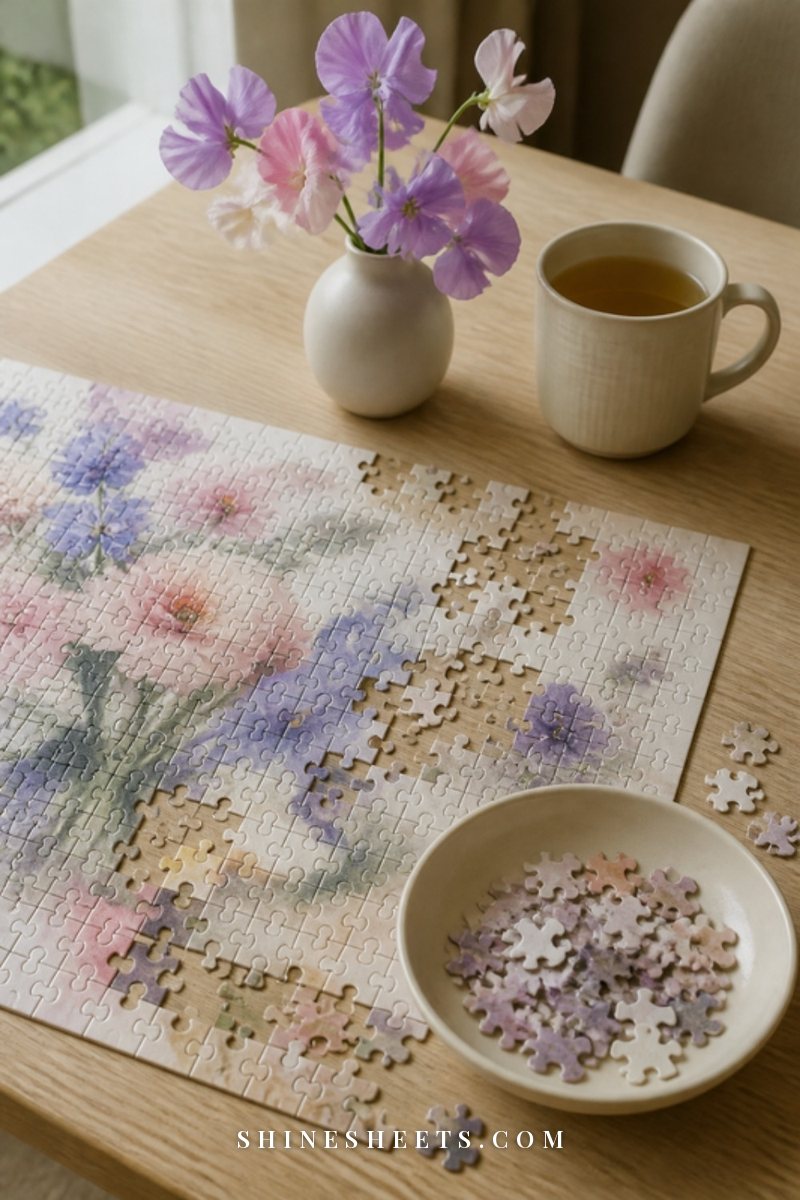
Think back to who you were before your days filled up with school calendars. What did you love? Painting, dancing, singing, hiking, sewing, reading big novels, playing piano? Those interests often stay inside you, waiting for some room.
Try this: write down three things you used to enjoy, then pick the easiest one to try again this week. Not perfectly, just for an hour. A set of sage linen notebooks is a lovely way to keep one notebook for ideas, one for plans and one for the things you're rediscovering. If you need inspiration, my list of hobbies for fun, creativity and relaxation has plenty to spark something.
6. Try One New Learning or Volunteering Project
Purpose often comes back when you're learning or giving. Both can fill the "I'm needed" space that parenting used to fill.
- Learning: a community college course, a language app plus a weekly conversation group, an art class, a gardening workshop.
- Volunteering: a library reading program, an animal shelter, a food bank, mentoring young people, helping at a community garden.
Start with something time-limited, like a six-week course or a few volunteer shifts a month. That way it feels like an experiment, not a lifelong commitment, and you can change direction easily if it's not the right fit.
Notice how you feel after each session rather than during it. A little nervousness at the start is normal. If you walk out feeling lighter, more awake or quietly proud, that's a sign to keep going.
7. Refresh a Room for Yourself

Your home may have been arranged around family life for years. Now you can make one space that's just for you. It doesn't have to be your child's old room (unless you both feel ready for that). It could be a corner of the living room, a spot by the window or a section of the bedroom.
Keep it simple: a comfortable chair, a soft throw, a few books, a plant and good light. A warm white table lamp changes the whole mood of a corner in the evening, and it gently signals that this time is yours. Add a candle in a cream glass jar if you love a little glow at night. A small, beautiful space can make the quiet feel peaceful rather than empty.
8. Plan Small Things To Look Forward To
Anticipation is a wonderful mood lifter. When the calendar feels blank, put a few small bright spots on it: a lunch with a friend, a day trip, a concert, a new café, a visit from your child, a weekend away. They don't need to be big or expensive. They just need to be there.
When your child comes home for a visit, enjoy it fully, and then gently plan something of your own for the days right after they leave again. Those first quiet evenings after a visit can sting, and a small plan waiting for you softens the landing.
A good rhythm to aim for is one small thing every week and one bigger thing every month or two. Write them where you'll see them. On a heavy day, knowing something nice is coming can make a real difference.
When It Stacks With Other Midlife Changes

The empty nest often arrives at the same time as several other big shifts: changes at work, aging parents who need more care, health changes, and for many women, perimenopause or menopause, which can affect mood, sleep and energy. When these stack up, it's no wonder everything can feel heavier.
If you notice your mood has dipped a lot or your sleep has changed, it's worth mentioning to your doctor, since hormones and other physical factors may be playing a role. And if this season has you questioning bigger things, like your work, your identity or what you want next, you're not alone. My guides on midlife crisis in women and how to reinvent yourself are both written for exactly this kind of crossroads.
Try to see this chapter as an opening as well as an ending. You have years of wisdom and a little more time. That's a strong combination.
When To Talk to a Therapist or Doctor
Sadness after kids leave is normal, and it usually softens over time. But sometimes it settles in and doesn't lift. Please consider reaching out to a therapist or your doctor if:
- The sadness lasts for many weeks or keeps getting heavier instead of lighter.
- You're sleeping much more or much less than usual.
- You've lost interest in things you used to enjoy.
- Getting through daily tasks, work or self-care feels very hard.
- You feel hopeless, or you're relying on alcohol or other things to get through the evenings.
Talking to someone isn't a sign that you're not coping. It's a kind, practical way to get support during one of life's big transitions. If you ever have thoughts of harming yourself, please contact a crisis line or emergency services right away.
Final Thoughts
Empty nest syndrome is a sign of how much you loved, and still love, the people you raised. The quiet may sting for a while, and that's okay. Give yourself the same patience you gave them when they were learning to walk.
You don't need to reinvent your whole life at once. One new rhythm, one reconnected friendship, one corner that's just yours. Little by little, the house becomes a place where you get to grow too, and this next chapter can be every bit as meaningful as the last.