Family isn't only the people you're related to. It's also the people who notice when you've gone quiet, who bring soup without asking, who know which day is hard for you and text that morning. Those people can be chosen, and the circle they form can be built slowly, on purpose, from relationships you already have.
A chosen family doesn't need to replace anyone. You might be close to your relatives, live a long way from them, have a complicated relationship with them, or simply want more support than one household can give. Whatever your story is, it's completely okay to want a few more people who show up like family.
This guide is about building a chosen family: what it means, why it matters, seven gentle ways to turn existing friendships into reliable mutual support, how to celebrate together, and how to keep it balanced so nobody burns out. There's also a support map table to help you see who might already be part of your circle.
You don't need a big group. Three or four people who truly have your back can change how safe the world feels.
What Chosen Family Means
Chosen family is a small circle of people, often friends, neighbors, former colleagues or relatives of friends, who offer each other the kind of steady support people usually expect from family. They're the ones you call with good news first. The ones who know your coffee order and your worries. The ones you can ask for help without writing a long apology first.
What makes it "family" rather than just friendship isn't intensity. It's reliability. Chosen family is built on three things:
- Regularity: you're in each other's lives often, not just when something big happens.
- Reciprocity: support goes both ways over time, even if not in equal amounts each month.
- Commitment: you expect to stay in each other's lives through moves, changes and hard seasons.
The term has a long history in communities who couldn't always count on their relatives for acceptance, and it carries a lot of warmth because of that. Today, many people build chosen family for all kinds of reasons, and every one of them is valid.
Why Chosen Family Matters
Researchers who study well-being keep finding the same thing: close, reliable relationships are one of the strongest predictors of how happy and resilient people feel over a lifetime. It isn't the number of friends that matters most. It's having a few people you can truly lean on.
Chosen family matters especially if:
- You live far from your relatives and can't easily see them on ordinary weekends.
- You're estranged from some family members, or the relationship is strained.
- Your family is loving but small, or going through its own hard season.
- You've moved to a new city and your support is still mostly long-distance.
- You simply want more people around you for everyday life, not just emergencies.
If loneliness has been weighing on you, please be gentle with yourself. It's a very common feeling, and it says nothing bad about you. My article on positive ways to deal with loneliness is a soft place to start before you begin building.
Chosen Family Can Sit Alongside Biological Family
One thing I want to say clearly: building a chosen family isn't a statement against your relatives. It's not a contest, and you don't have to pick a side. Plenty of people love their parents and siblings and also have a friend who feels like a sister. Both can be true.
For some people, chosen family fills gaps that relatives simply can't, because of distance, health, different life stages or different values. For others, it's where they finally feel fully understood. If your relationship with your family is complicated, you're allowed to hold love and limits at the same time. My guide on setting boundaries with family has kind, clear scripts for that.
A gentle safety note: if a relationship with any family member involves harm, threats or control, putting distance there is not a failure, and you never need to compromise on your safety. A therapist can help you work through the grief and guilt that sometimes come with that, and your chosen family can be a huge part of how you feel safe again.
7 Ways To Grow Your Chosen Family
This part isn't about meeting brand-new people (if that's where you are, my guide on how to make friends as an adult has a gentle 30-day plan). It's about taking the good relationships you already have and slowly deepening them into something you can both rely on.
1. Notice Who Already Shows Up

Your chosen family may already be forming without a name. Take ten minutes with a notebook and a cup of tea and write down the people who:
- Reached out when you were sick, sad or stressed.
- Remember small details about your life.
- Make you feel more like yourself after spending time together.
- You'd feel comfortable asking for a lift, a meal or a spare key.
Look for warmth and follow-through, not how long you've known them. A neighbor you met last year can be more "family" than a friend from school who only appears online. Circle two or three names. Those are the relationships to invest in first.
And if your list includes someone you've drifted from but still miss, my guide on how to reconnect with an old friend without it feeling awkward has easy first messages.
2. Move From Occasional to Regular Contact
The biggest difference between a good friend and chosen family is frequency. Seeing someone every few months keeps a friendship alive. Being in touch every week or two makes it part of daily life.
Choose a simple rhythm for each person on your list:
- A quick voice message or text every few days ("Saw this and thought of you").
- A real catch-up call every one or two weeks.
- Time together in person once or twice a month, if you live close.
Mini script: "I love talking to you and I always wish we did it more. Want to make it a regular thing, like every other Sunday?" Most people are relieved when someone suggests a plan, because they wanted it too.
3. Create Small Rituals
Rituals turn good intentions into something that actually happens. They don't have to be elaborate. The best ones are easy enough to keep doing when life gets busy.
A few ideas:
- Sunday calls: the same time each week, even just twenty minutes.
- A monthly shared dinner: rotate homes, everyone brings one thing, nobody cleans for hours before.
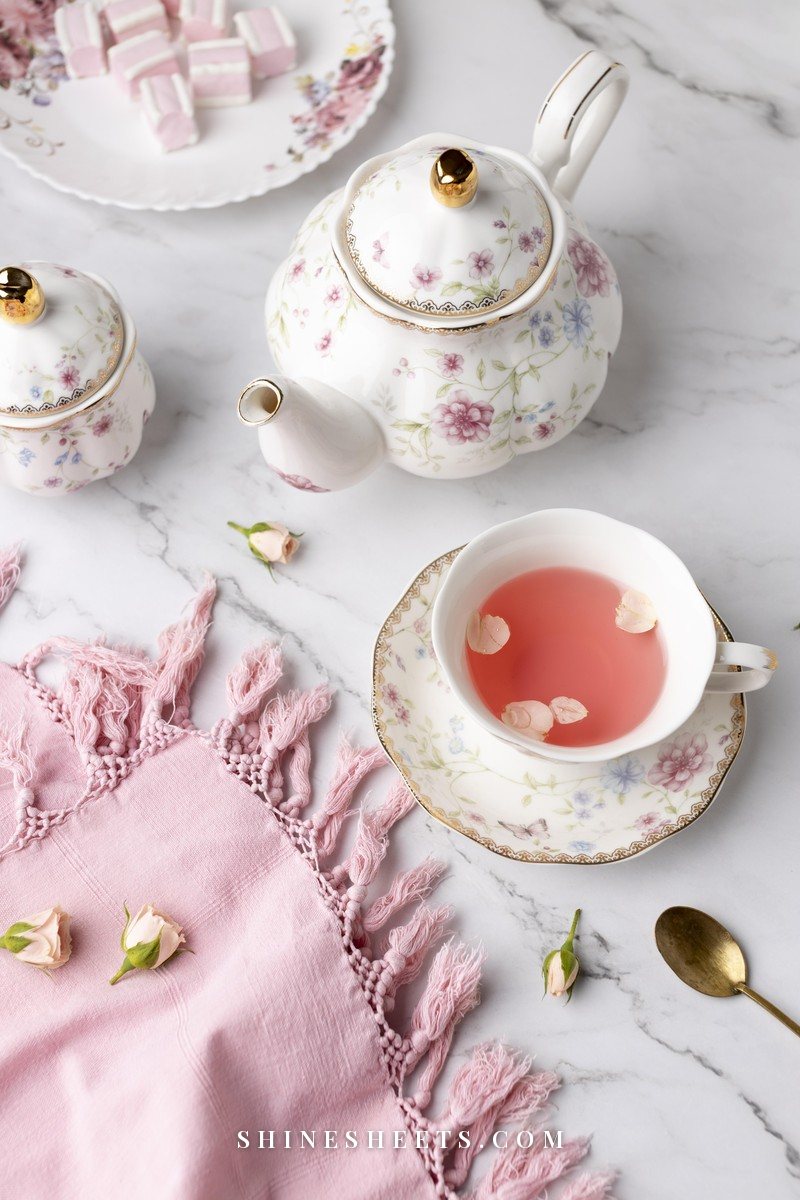
- A tea afternoon: a pot of tea, a walk or a sofa, no agenda.
- A yearly tradition: a day trip, a picnic, a film night on the same weekend every year.
Small touches make rituals feel special without extra effort. Bringing out a cream ceramic tea set for afternoon visits, or a blush linen tablecloth for shared dinners, tells everyone "this time matters," even if the food is simple. I'd keep one or two of these "for us" things on a shelf so setting the table takes two minutes.
4. Ask for and Offer Practical Help
Family is often defined by practical help: a lift to the airport, someone to water plants, a friend who sits with you at an appointment. Asking for this kind of help feels vulnerable, but it's exactly what deepens bonds. People feel closer to those they've helped.
Start small and specific. Mini script for asking: "Would you be up for picking me up after my appointment on Thursday? Totally fine if not, I just thought I'd ask you first." Mini script for offering: "I'm doing a grocery run Saturday. Want me to grab anything for you?"
Specific offers ("I can bring dinner on Tuesday") work far better than "let me know if you need anything," because they don't make the other person do the work of asking.
5. Share Milestones and Hard Days

Chosen family knows the real version of your life, not just the highlights. That means letting people in on both the celebrations and the difficult days.
Tell your circle about the new job, the finished project, the first night in a new home. And let them know about the hard things too: an anniversary of a loss, a tough appointment, a week when your anxiety is loud. You can say it simply: "Tomorrow is a hard day for me. You don't need to do anything, I just wanted you to know."
Keeping a record of your shared moments helps too. A sage linen photo album filled with printed photos from dinners and trips becomes something you look through together years later. A few gold-accent picture frames with photos of your people on a shelf are a daily reminder that you're not on your own.
6. Include Each Other's People
Chosen family grows stronger when it becomes a web instead of separate one-on-one threads. Introduce friends to each other when it feels natural. Invite a friend's partner, sibling or roommate to your shared dinner. Get to know the people who matter to them.
This does two lovely things. It makes your circle more resilient (if one person moves away, the group still holds), and it means support can come from more directions. When you're unwell, it's not just one friend checking in, but two or three who already know each other.
Go gently here, though. Not everyone clicks, and that's fine. You don't need one big group where everyone is equally close.
7. Repair Gently After Misunderstandings
Every close relationship has friction: a forgotten birthday, a sharp remark, a plan that fell through. What makes chosen family last isn't avoiding these moments. It's repairing them.
A simple repair formula: name it, own your part, reconnect. "I've been feeling a bit off since our call last week. I think I was short with you, and I'm sorry. Can we talk about it?" If you were the one who felt hurt: "When the dinner got cancelled last minute, I felt a bit forgotten. I know you've been stretched thin. Can we find a new date?"
Repair works best soon, short and kind. You don't need a long letter or a perfect speech. You need to show the relationship matters more than being right. For more on being the kind of friend people want to keep, see my guide on how to be a good friend and build strong friendships.
Your Chosen Family Support Map
This table is the unique part of this guide. It helps you see what kinds of support you need, who in your life might already offer it, and a tiny way to begin. Copy it into your journal and fill in the second column with real names.
| Type of support | Who could offer it | Small way to start | How often |
|---|---|---|---|
| Emotional (listening, comfort) | A close friend, a sibling-like friend | Send a "can I vent for ten minutes?" text | Weekly |
| Practical (lifts, errands, plant-watering) | A neighbor, a friend nearby | Offer one specific favor first | When needed, a few times a month |
| Celebration (birthdays, wins) | Your whole circle | Share good news in a group chat | Whenever something good happens |
| Everyday company (meals, walks) | One or two local friends | Suggest a regular walk or tea afternoon | Every week or two |
| Advice and perspective | An older friend, a mentor, a former colleague | Ask one question over coffee | Monthly |
| Emergency contact | Someone reliable and nearby | Ask: "Could I put you down as my emergency contact?" | Once, then update yearly |
| Long-distance closeness | A friend in another city | Set a recurring call | Every two weeks |
Don't worry if some rows are empty. That just shows you where to focus next. And one person doesn't need to cover everything – that's exactly why a circle works better than a single best friend.
Holidays and Celebrations With Chosen Family
Holidays and birthdays can feel especially tender if you're far from relatives or if family gatherings are complicated. They can also become some of the warmest days of the year with your chosen people.
Host a shared meal
A potluck-style dinner takes the pressure off any one person. Set the table nicely, light a few glass candles, put on soft music and let everyone bring a dish. The point isn't perfection. It's being together.
Make a tradition of your own
Maybe it's a morning walk on the first day of the year, a pajama brunch, or a "friends' birthday" that celebrates the day you all met. Traditions you create together become part of your shared story.
Mark birthdays thoughtfully
A handwritten note means more than a big gift. Keeping a lavender stationery set in a drawer makes it easy to write a few heartfelt lines for each person's birthday, or just a "thinking of you" note on an ordinary week.
Split the day if you need to
If you see relatives for part of a holiday, you can still spend the evening with your chosen family. It doesn't have to be either/or. A simple plan like "lunch with family, tea and candles with friends" can make the whole day feel softer.
Keeping It Balanced: Boundaries, Not Overgiving
Chosen family is meant to feel supportive, not exhausting. When you've longed for this kind of closeness, it's easy to say yes to everything and become the one who always hosts, always remembers and always helps. That leads to quiet resentment, which isn't good for anyone.
A few gentle reminders:
- Let support flow both ways. If you notice you're always the giver, practice asking for something small.
- You can say no and still be close. "I can't make it this week, but I'd love to next Sunday" protects your energy without pulling away.
- Respect everyone's capacity. People go through busy or hard seasons. A quieter month doesn't mean the bond is gone.
- Keep some time just for you. Your evening tea, your journaling, your rest. A full social calendar isn't the goal.
- Check in with yourself. After time together, notice whether you feel lighter or drained. That tells you a lot.
I'm prone to anxiety, and I've learned that I show up much better for the people I love when I've protected a bit of quiet time for myself first. Boundaries aren't walls. They're what keep close relationships kind and sustainable.
If building closeness brings up old hurts or heavy feelings, a therapist can help you sort through them. There's nothing weak about getting that support.
Signs Your Circle Is Becoming Chosen Family
Chosen family rarely announces itself. One day you just notice that things feel different. These are a few quiet signs that your friendships are turning into something deeper:
- You don't tidy the whole house before they come over anymore.
- You ask for help without rehearsing the message three times.
- They know the names of the people and places in your stories.
- A missed call doesn't worry you, because you know you'll catch up soon.
- After a disagreement, you both reach out to repair it instead of quietly drifting.
- Good news feels unfinished until you've told them.
If you recognize even two of these, something lovely is already growing. Keep watering it with the same small, steady habits, and don't worry about making it look a certain way. Every chosen family is shaped differently, and yours only needs to fit the people in it.
Final Thoughts
A chosen family isn't built in a weekend. It grows from small, repeated moments: the Sunday call, the shared dinner, the text on a hard day, the honest repair after a misunderstanding. Start with the two or three people who already show up for you, and let the circle grow at its own pace.
You deserve people who feel like home, and you have so much to offer them in return.