
The questions to ask before marriage aren't really a test. They're a map. You already know you love each other – these conversations simply show you where your paths run side by side and where you'll need to build a little bridge.
Most couples don't break down over one dramatic secret. They struggle with the quiet things nobody talked about: how money feels, who cooks on weeknights, how often the in-laws visit, whether kids are a "someday" or a "definitely not." Talking about these before the wedding takes so much pressure off the years after it.
In this guide you'll find 60 honest questions to ask before marriage, grouped into seven themes, plus a small table on how to bring each topic up gently, what to do when you disagree and why your answers are allowed to change over time. Grab a pair of matching ceramic mugs, a soft knit throw for the sofa and take it one cozy evening at a time.
Why These Conversations Matter Before You Say Yes

Planning a wedding fills your head with venues, flowers and guest lists. Planning a marriage is quieter work, and it mostly happens in conversation. These questions help you notice three things:
- Where you already agree. This is the comforting part, and there's usually more of it than you expect.
- Where you're different but compatible. One of you saves, one of you spends; one loves hosting, one loves quiet. That's normal and very workable.
- Where you need a real plan. Children, money, where you'll live. These deserve time, honesty and sometimes outside help.
None of this is about catching your partner out or keeping score. You're two people getting to know each other a little more deeply. If you've been wondering whether this is the right person for you, my guide on how to know if he is the one pairs nicely with this list.
How To Have These Talks Without It Feeling Like an Interview

Sixty questions in one night would feel like a job interview, and nobody relaxes in a job interview. The goal is warm, curious conversation. A few things that help:
- Pick three to five questions per talk. One theme per evening is plenty. You can spread the whole list over a month or two.
- Choose a comfortable setting. A walk, a long dinner at home, the sofa with tea. Not in the car on the way to a family event, and not when one of you is hungry or tired.
- Both answer every question. It's a conversation, not a questionnaire you hand to one person.
- Listen to understand, not to fix. Ask "Tell me more about that" before you share your own view.
- Write down what matters. A shared notebook turns your answers into something you can look back on together.
If reading questions off your phone feels clinical, a deck of couples conversation cards can make it feel more like a game. And a couples journal is a sweet place to write the answers you want to remember. Light a candle in a glass jar, put the phones away and let the evening be slow.
Here's a small table for the topics that tend to feel heavy, with a gentle way in for each:
| Topic | Best setting | A soft way to start |
|---|---|---|
| Values and life goals | A long walk or a slow breakfast | "I was thinking about what a good life looks like for us. Can I ask you something big?" |
| Money | At the table with tea and a notebook | "I'd love for us to feel like a team with money. Could we each share how our families handled it?" |
| Family and children | A quiet evening at home, no time pressure | "I want to hear your real answer, even if it's 'I don't know yet.'" |
| Home and daily life | While doing something together, like cooking | "What's one thing that would make our home feel really easy to live in?" |
| Conflict and communication | On a calm, happy day – never mid-argument | "When we disagree, what helps you feel heard?" |
| Intimacy and affection | Private, relaxed, no distractions | "What makes you feel most loved by me lately?" |
| Career and future | On a date night out | "If we zoom out ten years, what do you hope we're doing?" |
For more general relationship talks (the kind you can keep having long after the wedding), my post on communication in relationships covers the everyday habits that make these conversations easier.
60 Questions To Ask Before Marriage
The questions are grouped into seven themes: values and life goals (10), money (10), family and children (10), home and daily life (10), conflict and communication (10), intimacy and affection (5) and career and future (5). Under each question you'll find a short note on why it matters or what to listen for.
Values and Life Goals: 10 Questions

Start here. Values are the quiet engine behind every other decision, and these questions tend to bring out the most beautiful answers.
- What does a good life look like to you in ten years? Not the job title, the feeling. Quiet and rooted? Busy and full of people? You're looking for overlap, not a perfect match.
- What are the three values you'd never trade away? Honesty, freedom, family, security, adventure – naming them out loud makes so many later decisions easier.
- What role does faith or spirituality play in your life, if any? Even if neither of you is religious, it's worth knowing how you feel about traditions, holidays and how children might be raised around them.
- What does marriage mean to you, in your own words? Some people see it as a partnership, some as a safe harbor, some as a promise to grow together. Hearing it in their words is lovely.
- Which marriage around you do you admire, and why? This tells you more than any theory. Listen for the specific things they notice.
- Which relationship patterns from your family do you want to keep, and which do you want to leave behind? Gentle territory. Go slowly and don't push for more than they want to share.
- How important is it to you to live near your family or hometown? A surprisingly common source of tension later, so it's worth a calm talk now.
- What does success mean to you? Money, time, creativity, impact, a calm home – everyone's version is a little different.
- What's something you still want to do or try before you feel 'settled'? Travel, study, a career change. It's easier to plan around dreams you know about.
- How do you want us to treat each other when life gets hard? This one is a quiet promise in question form. Write the answers down if you like.
Money: 10 Questions

Money talks can feel awkward, but they're one of the kindest things you can do for your future selves. Keep a simple budget planner notebook on the table so you can jot down the goals you agree on. My guide on how to talk about money as a couple goes deeper if this theme turns into a longer conversation.
- How did your family talk about money when you were growing up? Openly, never, with stress? Our money habits usually start here.
- Do you have any debt, and how do you feel about it? Student loans, credit cards, a car loan. No judgment, only clarity – you're building a plan, not a verdict.
- Joint accounts, separate accounts or a mix? There's no right answer. Many couples love a 'yours, mine and ours' setup.
- Are you more of a saver or a spender, if you're being really candid? Most couples have one of each, which can actually balance nicely once you name it.
- What's a purchase amount we should talk about before either of us buys it? Agree on a number together. It prevents a lot of quiet resentment.
- How do you feel about lending money to family or friends? Better to decide your shared stance before someone asks.
- What are our big money goals for the next five years? A home, an emergency fund, travel, paying off debt – pick your top two together.
- How do you picture handling bills and budgeting day to day? Who checks the accounts? How often? A monthly 'money date' works beautifully for many couples.
- How do you feel about one of us earning much more than the other, or taking a career break? Life changes. Talking about it early keeps it from turning into a scorecard.
- What does financial security feel like to you? For one person it's a full savings account, for another it's no debt. Know which one your partner means.
Family and Children: 10 Questions
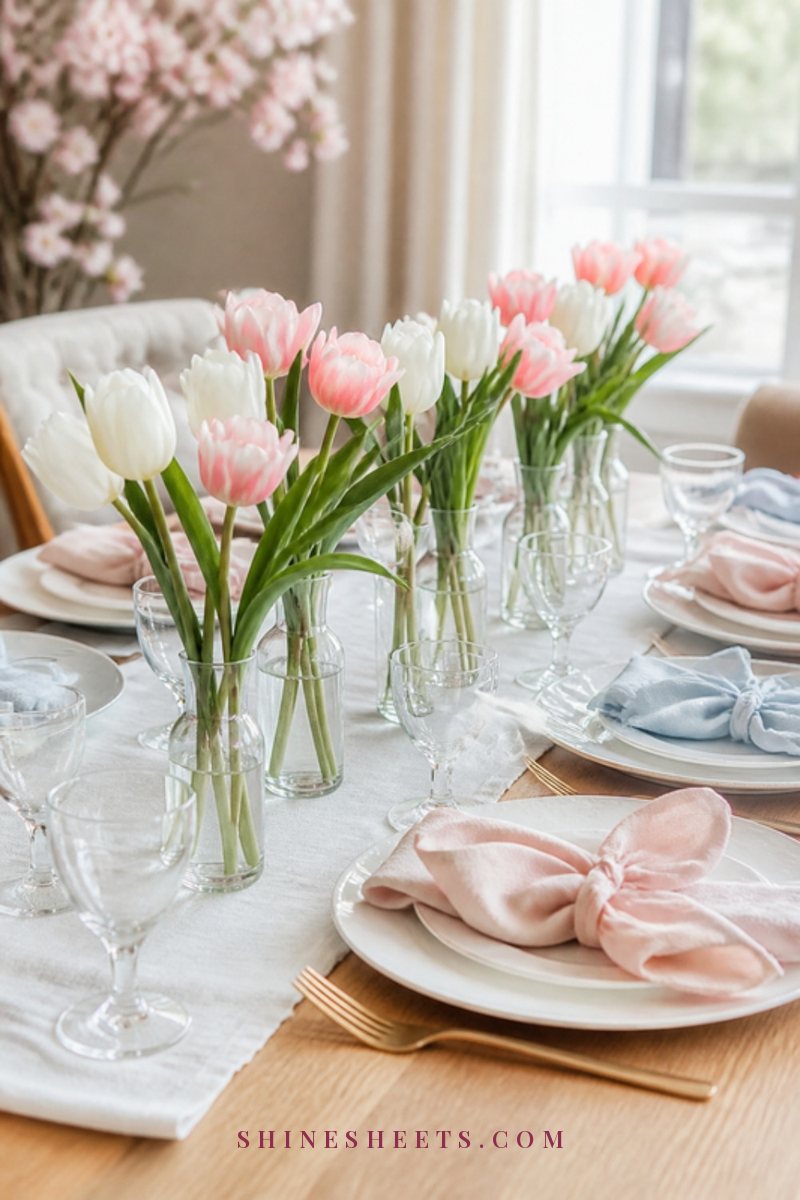
These can be the most emotional questions on the list. Give them their own evening, and remember that "I'm still figuring that out" is an honest answer too.
- Do you want children, and if so, roughly when and how many? The most important question on this list to answer truthfully, even if the answer is 'I'm not sure yet.'
- If having biological children isn't possible, how would you feel about other paths? Adoption, fostering, fertility support or a child-free life. A tender one, so pick a calm moment.
- What kind of parents do you imagine we'd be? Strict or relaxed, structured or free-range? Listen for what they hope to repeat or change.
- How do you feel about sharing childcare and household work if we have kids? Be specific: night wakings, school runs, sick days.
- How involved do you want our families to be in our life? Weekly dinners or a call on birthdays? Both are fine – being on the same page is what matters.
- How will we split holidays between our families? Alternating years, hosting everyone, a quiet holiday just for the two of you now and then.
- What would you do if one of our parents needed care later in life? Moving closer, helping financially, living together. Not urgent, but good to know.
- How do you feel about pets – now and in the future? A small question that becomes very big when one of you wants two dogs and the other is allergic.
- What boundaries do you think we'll need with our families? Drop-in visits, advice on big decisions, money. Kindly decided, together.
- What family traditions do you want to carry into our home, and which new ones do you want to start? My favorite of the ten. It turns a practical talk into dreaming together.
Home and Daily Life: 10 Questions
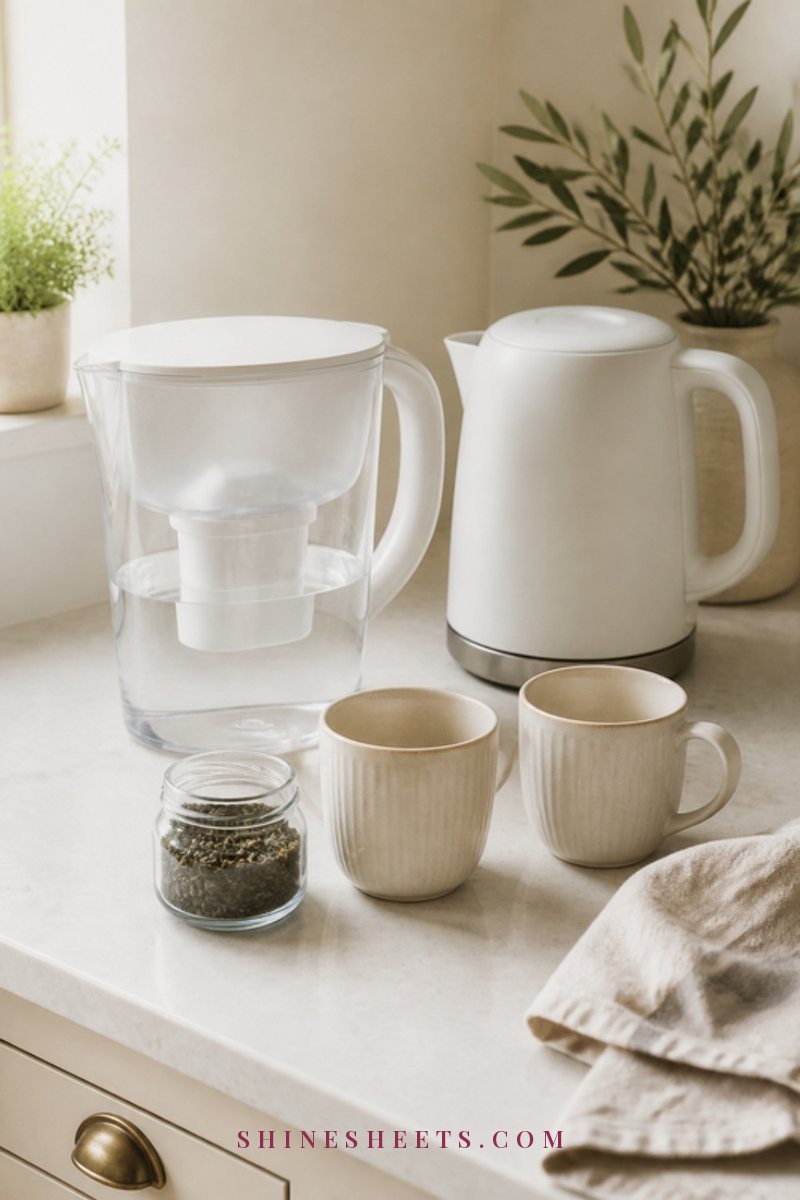
The romantic stuff matters, but daily life is where a marriage actually lives. These are lighter, often funny and surprisingly important.
- Where do you picture us living – city, suburb, small town? And would you ever move for work, family or a fresh start?
- How do you feel about renting versus buying? Timing, location and how much space you really need.
- How tidy do you need our home to be to feel relaxed? Clutter tolerance is real, and it's rarely the same for two people.
- How should we share chores so it feels fair? Divide by preference, by time or by rotation. Revisit it every few months.
- Are you a morning person or a night owl, and what do you need from your evenings? Quiet time, shared dinners, TV, early lights out – small rhythms shape daily happiness.
- How much alone time do you need each week? Needing time to yourself isn't a sign of distance. Saying it out loud is a gift.
- How often do you like to have friends over or go out? Hosting every Friday versus a calm home most nights.
- How do you feel about screens in the bedroom or at the table? A tiny agreement that can protect a lot of connection.
- What does a perfect lazy Sunday look like for you? Light, fun and often surprisingly revealing.
- How do you want to handle the mental load – remembering birthdays, appointments, groceries? Invisible work adds up. A shared calendar or a weekly five-minute planning chat helps.
Conflict and Communication: 10 Questions

Every couple disagrees. What matters is how you do it. These questions help you build a way of arguing that feels safe for both of you.
- How did your family handle arguments when you were growing up? Loud, silent, never? It explains a lot about how each of you fights now.
- What do you need from me when you're upset – space or closeness? Some people want a hug right away, others need twenty minutes alone first.
- How can I tell when something is bothering you? Learn each other's signals so small things don't grow in silence.
- What's the best way for me to bring up something that's bothering me? Timing, tone, a soft start. Ask for their preference.
- Is it okay to take a break during an argument, and how do we come back to it? Agree on a phrase, like 'I need twenty minutes, then let's talk,' and always come back.
- How do you like to apologize, and how do you like to receive an apology? Words, actions, a hug, a fixed problem. They're not always the same thing.
- Are there topics you find really hard to talk about? Money, family, the past. Knowing helps you approach them gently.
- Should we ever go to bed angry? Some couples swear by settling everything first; others prefer to sleep on it. Choose your version together.
- Would you be open to couples counseling if we ever felt stuck? Saying yes now, while things are good, makes it so much easier to reach for help later.
- How do you want to check in on our relationship regularly? A monthly talk over tea, a quick Sunday 'how are we doing?' – small rituals keep you close.
Intimacy and Affection: 5 Questions
Kept tasteful and simple. This is about feeling loved and close, in whatever way is true for the two of you.
- How do you most like to receive affection day to day? Hugs, kind words, help with a task, quality time. Little gestures add up.
- How important is physical closeness to you in a marriage? Kept simple and kind – it's about understanding each other's needs, not a scorecard.
- What makes you feel most loved and appreciated by me? Expect specific answers and a bit of a blush.
- How do we keep dating each other once we're married? Weekly dates, monthly adventures, tiny rituals – decide what fits your life.
- How should we talk about it if our needs for closeness ever feel out of sync? Agreeing now that it's safe to bring up is half the work.
Career and Future: 5 Questions
The last five look ahead. Careers change, plans shift, and it's comforting to know you'll make those choices as a team.
- Where do you hope your work will take you in the next five to ten years? Promotions, a business of your own, a slower pace.
- Would you ever consider a big move for one of our careers? And how would you decide whose turn it is?
- How do you feel about work-life balance, and what does 'too much work' look like to you? Late nights, weekend emails, travel. Draw your lines early.
- If one of us wanted to go back to school or change careers, how would we make it work? Time, money and support – the practical side of dreaming.
- How do you imagine retirement – or just a slower stage of life? A cottage, travel, grandchildren, a garden. It's lovely to picture the long road together.
If you enjoyed these, keep the habit going after the wedding with lighter date night questions for fun evenings in.
What To Do If You Disagree on Something Big

You will disagree on something. That's not a red light – it's information. Two people who agree on everything usually just haven't talked enough yet. Here's how to handle it calmly.
- Pause before reacting. Say "That's different from what I imagined. Can we come back to it this weekend?" A day or two gives both of you room to think.
- Get curious about the why. Behind most answers is a feeling: safety, freedom, fear of repeating a parent's mistake. Ask "What would that give you?"
- Look for the middle. One child or three? Maybe two, revisited later. City or countryside? Maybe a town near a city. Often the middle is closer than it first looks.
- Write down what you've agreed. Even a few lines in a notebook. Memory gets fuzzy, notes don't.
Deal-Breakers vs Differences You Can Manage
Not every disagreement is equal. It helps to sort them gently into two groups:
- Differences you can manage: tidiness, how often to see friends, morning versus night person, holiday plans, spending styles. These need patience and small agreements, and most couples handle them for decades.
- Possible deal-breakers: whether to have children at all, deeply held faith or values that shape daily life, where you're willing to live long term, and anything involving respect and safety. These deserve honest, unhurried talks and often the support of a counselor.
A difference on a deal-breaker topic doesn't automatically mean the end. It means it needs real attention before the wedding, not after. And if anything in your conversations leaves you feeling afraid, belittled or controlled, please talk to someone you trust or a counselor. A kind partner can disagree with you and still make you feel safe.
Is Premarital Counseling Worth It?
I think it's one of the loveliest gifts a couple can give itself. Premarital counseling isn't for couples in trouble – it's for couples who want a strong start. A trained counselor or therapist guides you through many of the same topics on this list, helps you notice patterns and teaches practical tools for conflict.
Many couples do four to eight sessions in the months before the wedding. Some faith communities offer their own programs, and many licensed therapists offer premarital sessions online. Approaches popularized by relationship researcher John Gottman are a common starting point if you'd like something structured. If one of your conversations above felt stuck, that's a wonderful thing to bring to the first session.
Your Answers Will Change Over Time (And That's Okay)
The person you marry today will keep growing, and so will you. Someone who says "no kids" at one stage of life may feel differently later. A dream city may lose its shine. A career may change completely. That's not a broken promise. That's life.
That's why I love the idea of returning to these questions every year or so – maybe on your anniversary, with a candle and a slow dinner. Read your old notes, laugh at what changed and talk about what still feels true. My list of relationship check-in questions is a nice next step for those regular talks.
Final Thoughts
Asking the questions to ask before marriage isn't about finding a perfect match. It's about choosing each other with your eyes open and your hearts soft. You'll learn things that make you laugh, things that surprise you and a few things that need some work – and all of it brings you closer.
Take it slow, one theme at a time, with two mugs of tea and plenty of patience. The real point was never the answers. It's the habit of turning toward each other, again and again, for the rest of your life.