

Does your period ever cause you to feel like you’re about to pass out? Find yourself hunched over in pain, gripping your abdomen tightly, and praying for someone to bring you a hot water bottle? Oh, we know that feeling. Even the most courageous among us would rather curl up in a ball and wait for Aunt Flo to decide to depart than deal with those awful cramps.
Taking an over-the-counter pain reliever once in a while could help, but let’s be honest: that’s not a perfect choice. Even if there were a natural alternative, coping with the possibility of adverse effects does not feel inviting.
There’s no question – period-time may significantly impact your mood and well-being. In this regard, food becomes essential.
In this article, we will guide you through the most nutritious foods to eat during periods if you’re sick of popping painkillers month after month.
Which Nutrients You Need During Periods?
Your body goes through a lot of changes when you have your period, so it’s important to receive the nutrition you need to feel healthy and reduce the pain.
Let’s start with the nutrient overview to learn what we need. Then, we will talk about the best foods to eat during periods for the nutrients they provide.
1. Iron-rich Foods
Red blood cells contain the protein hemoglobin, which delivers oxygen to your tissues; iron is necessary for its production. Iron loss occurs with the loss of blood during menstruation. If you’re feeling weak and exhausted, eating iron-rich foods like spinach, lentils, and lean meats will help restore your iron reserves.
2. Vitamin C
Iron and vitamin C work together to improve iron absorption in circulation. Vitamin C is a strong antioxidant that helps lower inflammation and oxidative stress, so when you’re fighting period cramps and other discomforts, vitamin C can be extremely useful.
3. Vitamin K
Periods cause bleeding because the uterine lining sheds. For some people, this bleeding can be more severe than normal, which can be extremely unpleasant. Here’s where vitamin K steps in to save the day. Thanks to its ability to promote effective blood clotting, vitamin K may help regulate and control period blood flow, reducing the likelihood of significant bleeding and excessive blood loss.
4. Omega-3 Fatty Acids
These potent fatty acids have a reputation for lowering systemic inflammation, which means they can help with period-related bloating and breast tenderness, among other symptoms. On top of that, they help regulate mood, which is very helpful when hormones are all over the place.
5. Vitamin B6 and B1
If you’re looking for a mood booster, you may not have realized you need these powerful twin vitamins. It is easy to feel like you’re losing control while you’re experiencing the emotional rollercoaster of premenstrual syndrome. One minute, you’re smiling, and the next, you’re weeping. Don’t worry – B1 and B6 vitamins might help you. Next time you feel like your emotions are getting the better of you, seek period time foods high in vitamins B6 and B1, such as whole grains, nuts, seeds, and bananas, to give your mood a much-needed boost.
6. Magnesium
Magnesium can be very helpful when you’re experiencing period cramps, which can make your whole belly feel like it’s protesting. When you use this powerful mineral to relax your muscles, you reduce the stress and pain of period cramps. Additionally, magnesium is known to promote relaxation in general, which might make you feel more at ease and peace during your period.
What to Eat During Periods: Period Positive Food
Understanding what to eat during periods can make a big difference. So, what is the right diet that can help you fight period pains? Let’s see what to focus on!

1. Fruits
Fruits may seem like nothing more than a natural sweetness provider, but they actually contain minerals that can ease aches and pains. To start, the vitamins and minerals found in fruits may help relieve some of the discomfort associated with periods. A great example would be bananas; they contain a lot of potassium, a mineral that controls muscular contractions and can prevent cramps.
Next, pineapple can reduce swelling and pain due to its bromelain content, an enzyme with anti-inflammatory characteristics. During your cycle, you can also stay hydrated and enjoy the deliciousness of fruits like watermelon, strawberries, and oranges.
2. Green Leafy Vegetables
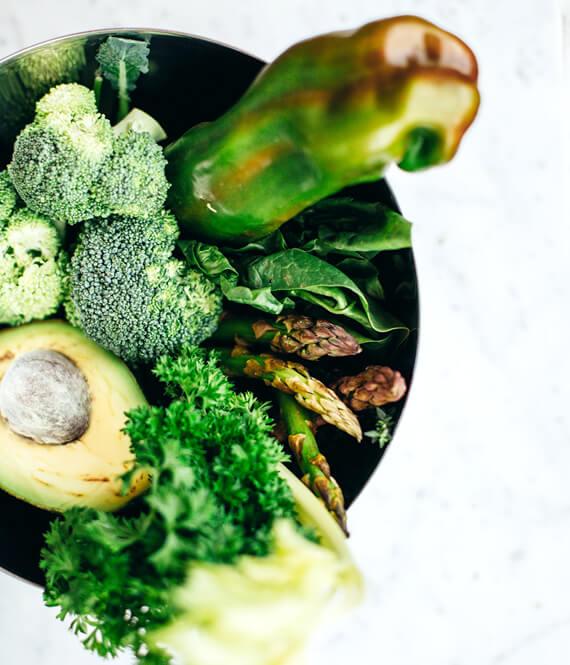
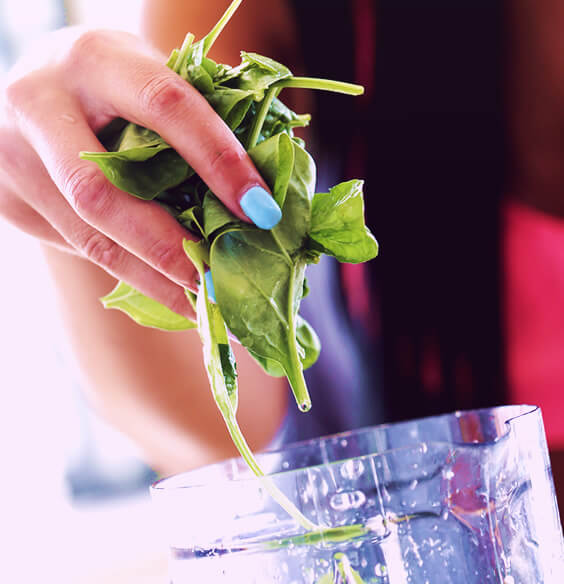
Although the idea of eating a large serving of leafy greens like spinach or kale probably isn’t exactly bringing you joy, we assure you that these nutritious treats will do wonders for your period pains. Green leafy veggies are crowned when it comes to the best foods for periods. Why? For the simple reason that they provide all the nutrients your body needs while going through menstruation. Iron, calcium, magnesium, and vitamins A, C, and K are all essential for a healthy period, and they all work together to make you feel great.
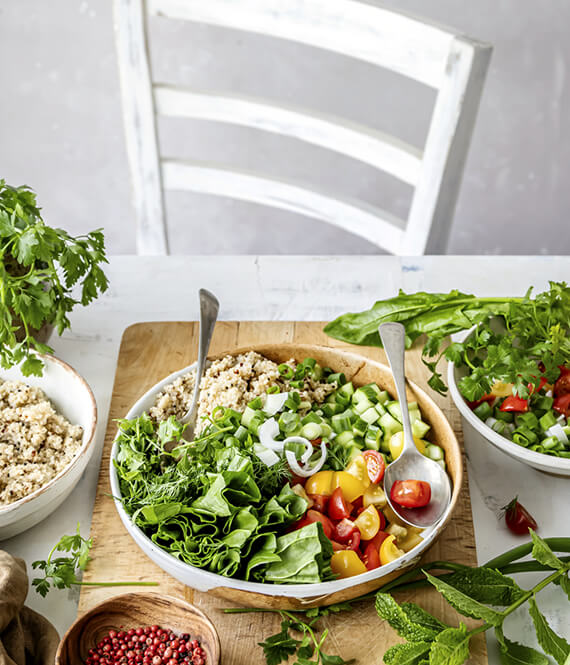
Plus, if spinach isn’t your thing, there’s no need to cram a ton of it into your diet. Swiss chard, collard greens, and an array of other leafy green vegetables are also available. You can slip them into your food with soups, stir-fries, smoothies and omelets.
3. Quinoa
Quinoa also contains all of the nutrients your body needs during your period. These include the B vitamins, magnesium, and iron that are essential for a healthy period. It also contains every one of the nine amino acids your body needs.
Period cramps are no match for protein, which is necessary for muscle repair and recovery. Also, quinoa and other protein-rich meals might help you stay full for longer, which is great for avoiding those mid-afternoon snack attacks.
4. Dark Chocolate
While you’re menstruating, chocolate can really help you feel better. Stop beating yourself up over the occasional square (or three) of dark chocolate when you’re on your period – it’s good for you!
Dark chocolate boosts phenylethylamine and serotonin, which can improve your mood and lift your spirits—something that most of us could use more of while we’re on our periods. Grab a dark chocolate bar whenever you’re feeling a little blue or irritated, and let the wonderful feelings envelop you.
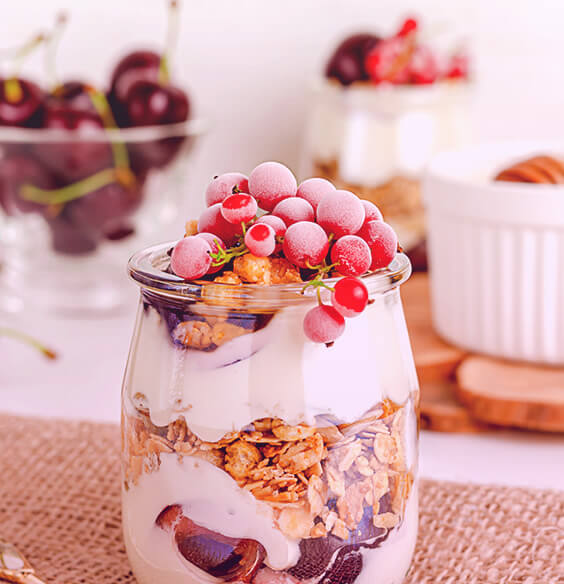
5. Yogurt
The calcium in yogurt helps keep your bones and muscles in good shape. Your body’s calcium levels may fluctuate during your period, which can make you feel tired and irritable. Yogurt, which is rich in calcium, can help meet your body’s calcium needs during periods.
Plus, yogurt has probiotics, which are good bacteria that support a balanced microbiome in the digestive tract. Many women suffer from period-related digestive issues, including bloating and constipation, but probiotics can help regulate digestion and avoid them.
What to Avoid During Periods?
Avoiding certain foods can also help you to feel better at this difficult time. Here’s a list of foods to avoid during periods:
- Processed Foods: They are high in salt and sugar, which can cause bloating and mood changes.
- Carbonated Beverages: It contributes to bloating and gas.
- Caffeine: It can heighten anxiety and cause menstrual cramps.
- Sugary Treats: Excess sugar can cause energy dumps and worsen mood swings.
- Fatty meals: Fried and fatty meals can cause irritation and discomfort.
- Dairy: For some individuals, dairy products may trigger bloating and cramping.
Cramp-Free Cuisine: Eat Smart, Live Well
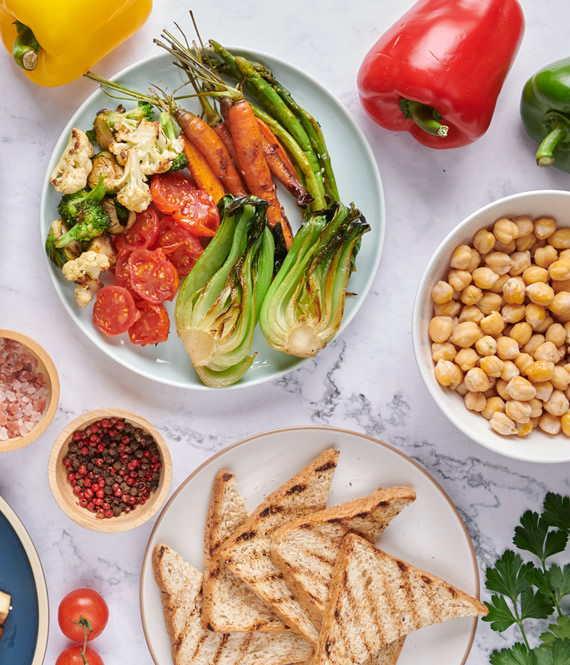
Now that you know what to eat during periods, you can make educated choices to promote your health while on them. Staying nourished with nutrient-rich foods like fruits, vegetables, whole grains, and lean proteins can help ease period symptoms and maintain your health at its best.
If you want to take an extra step, you can also try the Welme period pain relief device. This clinically tested gadget provides safe and effective cramp treatment.
Anything that helps you feel better during your period can be part of your daily self-care during this time.
Finally, if your period pains are too hard to manage, extreme, and nothing helps, make sure to consult your ob-gyn.
Period cramp issues can often be resolved easily, and your doctor can help you feel better.

Hi! I am author + writer on personal development, beauty, relationships and self-care, sharing insights through this blog since 2018. After years of practicing personal growth, emotional wellness and feminine lifestyle (plus 19 years in a thriving relationship), I share effective and tested advice to help you foster beauty, self-improvement and order in your life. Some articles are written by a small team of beautiful writers I trust.


Leave a Comment